


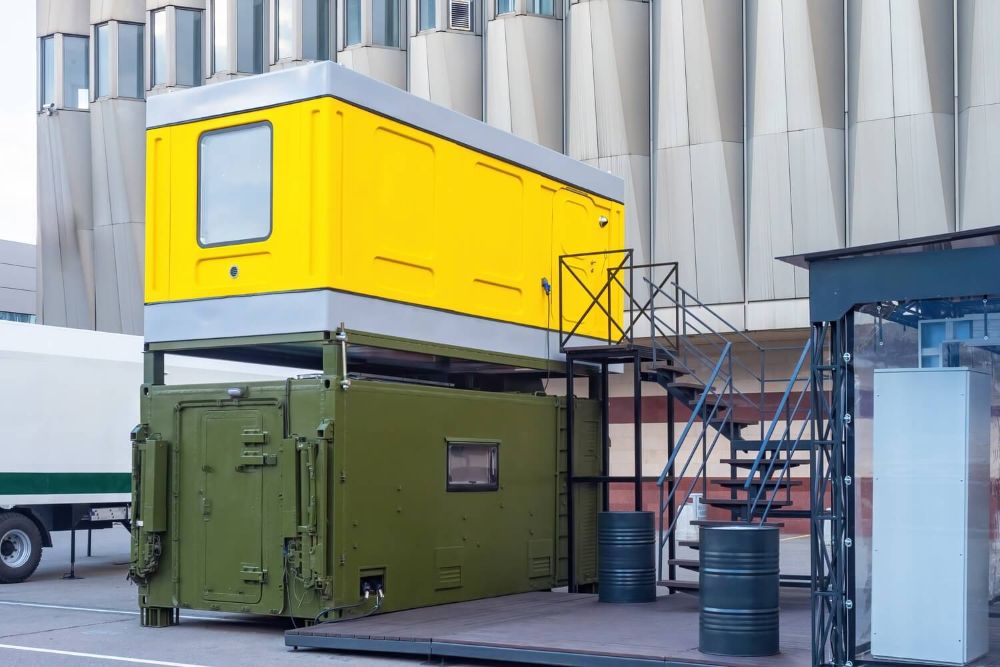
Modern industry demands infrastructure that combines the speed of temporary setups with the durability of permanent buildings. Traditional soft-wall tents often fall short when projects require high levels of security, climate control, or equipment protection. Rigid wall shelters fill this gap by providing hard-panel environments that teams can deploy rapidly. These structures use advanced engineering to withstand extreme environmental loads while maintaining internal stability.
As global operations expand into more remote and volatile territories, the reliance on these durable units continues to grow. Organizations now utilize these facilities to ensure continuity in sectors ranging from defense to disaster relief and commercial resource extraction.
Defining the Strategic Advantage
The primary benefit of a rigid wall shelter lies in its ability to offer immediate structural integrity upon arrival at a site. Unlike fabric-based alternatives, these units feature solid panels often made from high-grade composite materials. This construction choice ensures that the facility can endure high wind speeds and heavy snow loads that would compromise lesser structures.
These units arrive as self-contained systems, often requiring minimal site preparation. Because they use standardized shipping dimensions, logistics teams move them efficiently via standard freight methods. Once on-site, the ‘plug-and-play’ nature of these shelters allows a small crew to establish a fully functional base within hours. This efficiency reduces labor costs and minimizes the window of vulnerability during the initial phase of a project.
Defense and National Security Applications
The military sector remains the most prominent user of hard-wall technology due to the rigorous demands of field operations. Engineers design these units to meet strict military standards, ensuring they function in temperatures ranging from extreme desert heat to arctic cold. In tactical environments, these shelters serve as essential combat outposts where troops require protection from both the elements and external threats. Their solid construction allows for the integration of ballistic protection and electromagnetic interference shielding.
Beyond simple housing, these structures function as sophisticated command centers that host sensitive communication arrays and servers. The rigidity of the walls prevents the vibrations and structural shifts that might damage delicate electronic components during high-intensity operations.
Healthcare and Emergency Response
In the wake of natural disasters or public health crises, the need for sterile and controlled environments becomes a priority. Rigid wall units excel as medical facilities because their smooth, hard surfaces allow for easy decontamination and meet clinical hygiene requirements. These shelters provide superior insulation levels compared to traditional tents, which is vital for maintaining the precise temperatures required for medicine storage and patient recovery.
The use of a fire-resistant skin on the panels adds an extra layer of safety in crowded emergency camps. Because these systems are scalable and modular, response teams can link multiple units together to create expansive field hospitals with dedicated zones for triage, surgery, and intensive care.
Engineering and Material Excellence
The shift toward hard-wall solutions stems from breakthroughs in materials science. Manufacturers focus on achieving a high strength-to-weight ratio, allowing the shelters to be rugged yet light enough for helicopter transport. These panels must meet specific performance thresholds to ensure they do not degrade under constant UV exposure or corrosive salt spray in coastal regions.
Furthermore, the tight seals and insulated cores of these panels significantly improve energy efficiency. This reduces the fuel consumption of HVAC systems, which is a major logistical hurdle in remote locations. By lowering the power demand, organizations can reduce the number of generators and fuel shipments required to maintain the site.
Logistical and Industrial Support
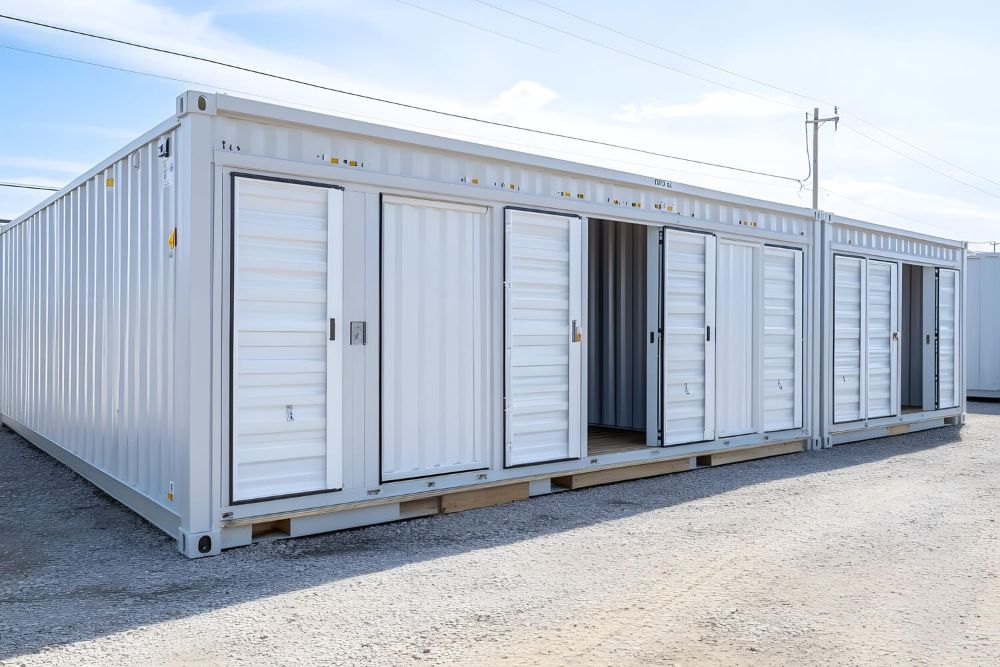
Industrial projects, such as remote mining or oil exploration, utilize these units for various support applications. A major challenge in these ‘fly-in-fly-out’ locations is maintaining the well-being of the workforce. To address this, companies deploy containerized units that house a full laundry system, industrial kitchens, and high-density housing.
The durability of these structural solutions ensures that the investment lasts for the duration of a multi-year project. Unlike wood-frame buildings, these shelters do not rot or suffer from pest infestations. When a project concludes, the owner simply closes the units and transports them to the next site, preserving the capital value of the infrastructure.
Conclusion
Rigid wall shelters represent a significant evolution in mobile infrastructure. By moving away from flexible fabrics and toward hardened, composite systems, industries gain a level of predictability that was previously impossible in remote areas. These units provide the necessary protection for personnel, electronics, and medical supplies while remaining easy to transport.
As environmental conditions become more unpredictable, the demand for high-performance, energy-efficient shelters will likely increase. Whether supporting a military mission or a humanitarian crisis, these structures provide the reliability required to maintain operations under pressure. Investing in these modular systems allows organizations to remain agile, moving their entire operational footprint as soon as the mission dictates a change in location.
