


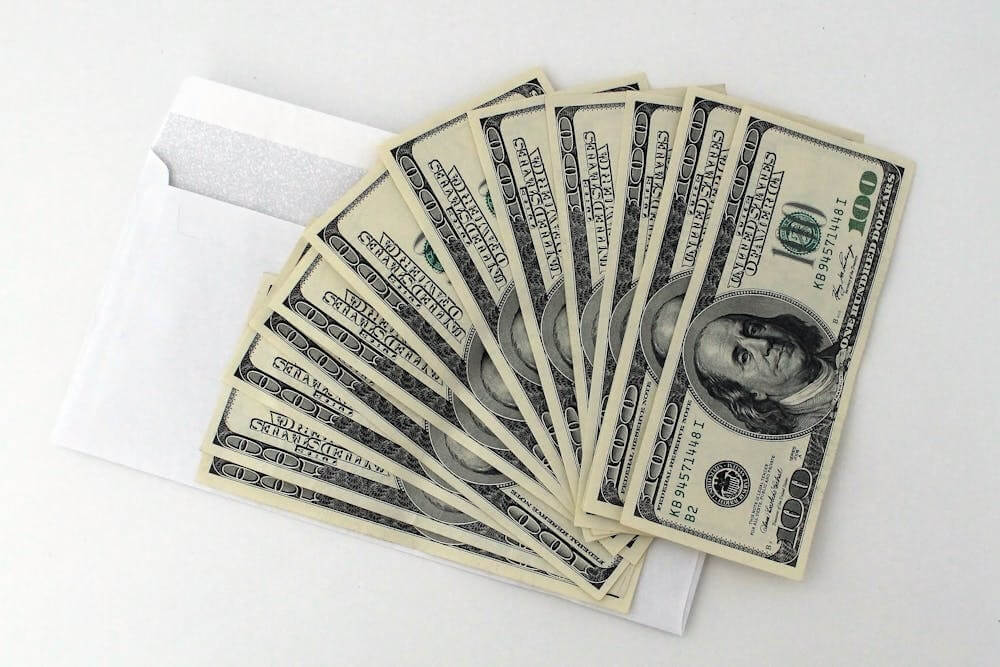
One of the most costly forms of theft in the United States originates with employers. Many owners and managers of businesses, ranging from small bodegas and mom-and-pop shops to large national and international companies, regularly steal wages from their workers.
The most common methods include minimum wage and overtime violations, misclassification of employees as independent contractors, withholding of payment for meal breaks, and illegal wage and tip deductions.
Unbelievable Losses for Hard-Working People
American workers are struggling with one of the highest cost-of-living crises in recent years. Their financial woes from inflation, tariffs, wage theft and other sources have placed an incredible strain on the economies of local communities by causing an associated loss of critical consumer and tax revenues. Workers in low-income, female, immigrant, people of color, and disabled groups are struggling at an even higher rate than people in other groups because of discrimination.
A rare evaluation of total yearly wage theft by the Economic Policy Institute in 2014 found that employers accidentally and purposely steal at least $50 billion in wages from U.S. workers. In the years since, EPI has performed other studies that more closely look at this crime. For example, EPI found that just one type of theft (i.e., minimum wage theft) in 2017 across 10 states before the pandemic cost approximately 2.4 million year-round workers $3,300 per worker, or approximately $8 billion total.
Why Do Employers Commit Wage Theft?
Some employers don’t have the funds to invest in tools that can help them better track employee time. In many small business cases, owners and managers don’t do enough to learn their legal obligations, which means they might fail to pay for some breaks or overtime or even pay less than the minimum wage for their location. Throughout the country, many employers don’t realize that cities often have higher minimum wage standards than state requirements because of cost-of-living issues.
That said, many businesses, especially those that hire part-time and seasonal workers or vast numbers of workers in domestic and international locations, purposely steal for no other reason than they know that little oversight exists.
Additionally, fines and court or settlement costs are a drop in the bucket compared to the money they keep from theft. For example, EPI discovered that federal and state entities and class-action settlement attorneys were only able to recover a mere $1.5 billion in stolen wages for 2021 to 2023, even though theft of tens of billions occurred each year.
Methods for Guaranteeing Fair Pay
The fact is employers who care about paying fairly really don’t have to do as much as they might think to make certain that their employees receive appropriate compensation. They should review federal, state and local wage and labor laws yearly to confirm worker classification, minimum wage, paid breaks, overtime payment and other requirements, especially ones established under the Fair Labor Standards Act (FLSA). They should use modern technologies designed to accurately track all of these areas down to the second electronically. They should also teach managers and supervisors about the legal requirements and regularly check that everyone is following the rules.
Lastly, employers need to pay their workers appropriately for their positions, time and effort, as dictated by federal, industry, and geographic standards. Some businesses that pay workers minimum wages, for example, fail to pay fairly based on averages for specific roles.
Yet, they can ruin their reputations by undervaluing employees in this way. A business owner or manager might resolve this issue by offering a one-time bonus followed by the correct level of compensation during the next payroll cycle. If they’re uncertain about how to protect themselves while trying to enact changes to pay fair wages, a labor and employment attorney can help guide them to the most cost-effective, fast, low-risk options.
