


Access control systems are essential components in protecting a business’s physical and intellectual assets, especially in an age where data breaches and security threats are more prevalent than ever. For small businesses, the challenge lies in implementing a solution that balances affordability with effectiveness.
Many small business owners may assume that access control systems are expensive and complex, reserved only for large corporations with significant security budgets. However, modern access control solutions are both affordable and user-friendly, making them viable options for businesses of any size, including small businesses in Houston.
This article explores how small businesses in Houston can implement cost-effective and reliable access control systems to safeguard their premises and assets. We will look at the benefits, types of systems available, and factors to consider when choosing an access control solution.
The Importance of Access Control Systems for Small Businesses
Small businesses, despite their smaller size, face many of the same security challenges as larger companies. Theft, unauthorized access, and internal security breaches can result in significant losses, both financially and in terms of reputation. In fact, according to the U.S. Chamber of Commerce, nearly 75% of businesses experience some form of theft, often from employees or individuals with authorized access. This highlights the importance of having robust systems in place to monitor and control who enters and exits your business premises.
An access control system acts as a barrier against unauthorized entry by restricting access to certain areas within a building or facility. Whether you are concerned about protecting physical assets like inventory, sensitive data, or the safety of employees and customers, an access control system is a smart, necessary investment for any business. Houston access control solutions offer various options that provide both convenience and enhanced security.
Types of Access Control Systems for Small Businesses
When it comes to access control, there is no one-size-fits-all solution. Small businesses need a system that meets their specific needs, whether that’s managing access to a single office or securing multiple locations. Some businesses may require a simple keypad-based system, while others may benefit from more advanced biometric authentication. Below are some of the most common types of access control systems available for small businesses:
1. Keypad Access Control
Keypad access control is one of the most cost-effective and straightforward options for small businesses. Users enter a PIN code to gain access to the premises or restricted areas. This system is ideal for businesses that do not require high-security measures but still need a level of control over who enters the building.
Keypad systems are particularly useful in smaller offices where only a few people need access. However, the major drawback is the potential for codes being shared or guessed, especially if employees use easily remembered PINs.
2. Card-Based Access Control
Card-based access control systems use proximity cards or badges that employees swipe in order to gain entry. This system is more secure than keypads since the cards are difficult to replicate, and many systems offer real-time monitoring to track access activity. Additionally, card access can be easily revoked in case of a lost or stolen card.
For businesses in Houston looking for affordable solutions, card-based access control is a popular choice, as it combines security with ease of use. It is particularly effective for businesses that want to manage access across multiple doors or locations.
3. Biometric Access Control
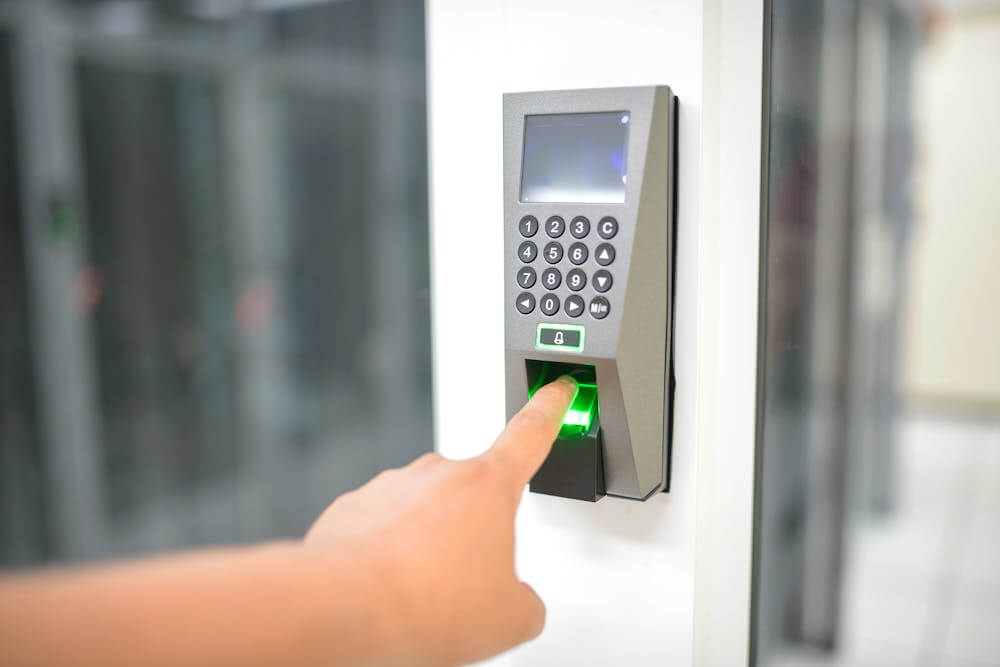
Biometric access control systems offer an added layer of security by requiring users to provide unique biological identifiers, such as fingerprints, retina scans, or facial recognition. While more expensive than keypad or card-based systems, biometrics offer unparalleled accuracy and significantly reduce the risk of unauthorized access.
For businesses that deal with sensitive information or valuable assets, investing in biometric access control can provide peace of mind. Although the initial investment is higher, biometric systems offer a future-proof solution for businesses looking to stay ahead of emerging security challenges.
4. Cloud-Based Access Control
Cloud-based access control systems are becoming increasingly popular for small businesses, as they allow for remote management and monitoring of access permissions. These systems are ideal for businesses with multiple locations or for owners who may not always be on-site. Cloud-based systems can also offer integration with other business systems, such as security cameras or alarm systems.
Houston access control providers often offer cloud-based options, which are both cost-effective and easy to manage. Cloud systems provide small business owners with greater flexibility, as they can grant or revoke access remotely, often in real-time.
Factors to Consider When Choosing an Access Control System
Selecting the right access control system for your business is a critical decision that requires careful consideration. Several factors can influence your choice, including the level of security needed, the number of users, and your business’s budget. Here are some key elements to keep in mind when making your decision:
1. Security Needs
The first factor to consider is the level of security your business requires. If your business handles sensitive data or valuable assets, you may want to invest in a more advanced system, such as biometric access control or cloud-based solutions. On the other hand, businesses that only need to manage basic access for employees may find keypad or card-based systems to be sufficient.
2. Budget Constraints
Small businesses often operate on tight budgets, so it’s essential to select an access control solution that offers the best value for your money. Fortunately, there are affordable options available that provide robust security without breaking the bank. Houston access control providers can help you determine the most cost-effective solution based on your business’s specific needs.
Keep in mind that while the upfront cost is important, long-term expenses such as maintenance, software updates, and system expansions should also be factored into your budget.
3. Scalability
As your business grows, your security needs may evolve. It’s essential to choose an access control system that can scale with your business. This means selecting a system that can accommodate additional users, doors, or locations as needed.
Cloud-based systems, for example, offer scalability, as they can be easily updated to add more users or locations without significant hardware upgrades. Be sure to consider the long-term needs of your business when evaluating different access control options.
4. Ease of Use
An access control system should be user-friendly, both for your employees and for the administrators managing the system. Some systems require specialized training, while others offer intuitive interfaces that can be easily navigated by those without technical expertise.
For small businesses, it’s essential to choose a system that is simple to use and easy to manage. Systems that offer remote access or mobile app integration can be particularly convenient for business owners who may not always be on-site.
Benefits of Access Control Systems for Small Businesses
Investing in an access control system offers several significant benefits for small businesses:
1. Enhanced Security
The primary benefit of access control systems is enhanced security. By restricting access to sensitive areas, you can prevent unauthorized individuals from entering your business. Real-time monitoring also allows you to track who enters and exits, providing a detailed log of access activity.
2. Convenience
Access control systems eliminate the need for traditional keys, which can be easily lost or stolen. Employees no longer need to carry physical keys or worry about locking and unlocking doors. For businesses with multiple locations, remote access management allows business owners to manage permissions from anywhere.
3. Reduced Risk of Theft
Employee theft is a significant concern for small businesses. Access control systems help mitigate this risk by limiting access to areas where sensitive materials or inventory are stored. With a system that logs all access activity, business owners can also monitor who has entered particular areas, making it easier to spot suspicious behavior.
4. Scalability and Flexibility
As mentioned earlier, many modern access control systems are scalable and flexible. Small businesses can start with a basic system and upgrade as their needs grow. Cloud-based systems, in particular, offer the flexibility to add new users or locations as the business expands.
Conclusion
Access control systems are no longer reserved for large enterprises with hefty security budgets. Small businesses in Houston and beyond now have access to affordable, effective solutions that can safeguard their premises, data, and employees. Whether you are interested in a basic keypad system or a sophisticated biometric setup, there are plenty of options available that provide both convenience and robust security.
When selecting an access control system for your business, consider factors like security needs, budget, scalability, and ease of use. With the right solution, your business can enhance security, improve operational efficiency, and reduce the risk of unauthorized access, all without breaking the bank. Investing in a reliable access control system is a step toward ensuring the safety and success of your small business in today’s increasingly security-conscious world.
