


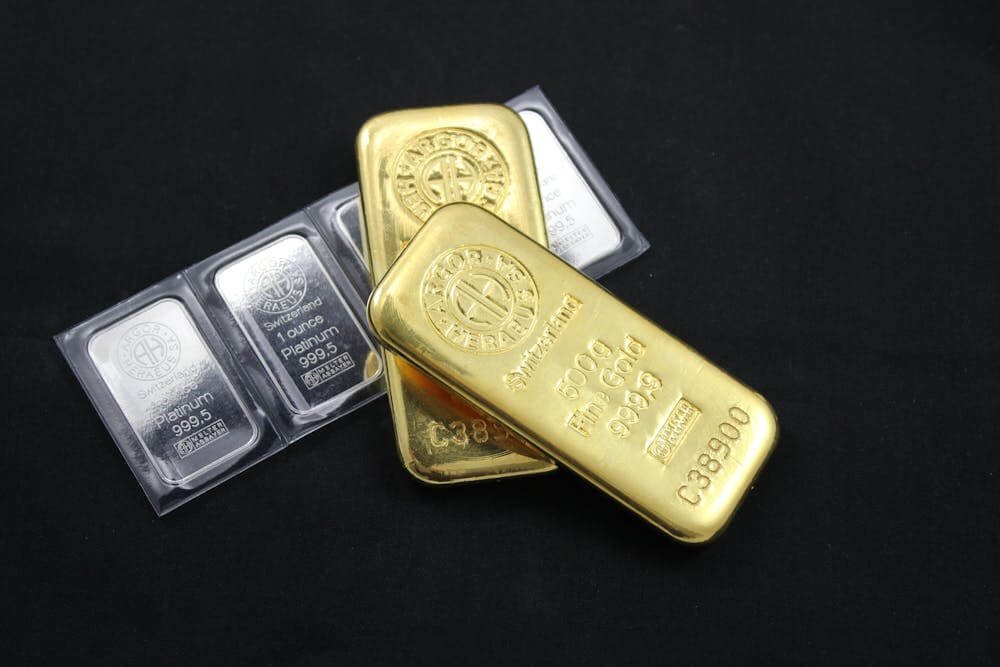
Digital tools now let investors buy and hold gold with the same ease as managing an online bank account. Traditional barriers like high storage costs and limited access no longer apply. Digitalization and gold subscriptions now make the precious metals market more open, accessible, and transparent for everyday investors.
Through tokenized systems and secure platforms, people can own fractions of physical gold instead of full bars. This method reduces costs and helps track the metal’s source more clearly. These changes also attract a new audience that values convenience and verified data as much as asset stability.
As technology advances, physical gold gains new relevance in digital portfolios. The blend of trusted assets and modern tools reshapes how investors view and manage precious metals. This evolution signals a shift from gold as a static holding to a dynamic, data-backed asset.
Digitalization and Gold Subscriptions Shaping the Precious Metals Market
Digital systems, blockchain tools, and subscription-based models now influence how investors buy and hold gold. These changes allow individuals to manage precious metals through both physical delivery and digital tracking with greater clarity and lower barriers to entry.
Digital Gold: Definition and Mechanisms
Digital gold refers to gold ownership represented electronically rather than through physical possession. Each digital unit equals a fixed quantity of real gold stored securely by a custodian. The owner can trade or redeem the gold for its physical form if the custodian allows.
Blockchain-based records protect ownership rights by providing transparent and permanent transaction logs. These systems reduce verification costs and make it harder to counterfeit or misrepresent gold holdings. Investors can view holdings in real time and transfer titles instantly.
Institutional platforms now integrate authentication and traceability. SMX, for example, uses molecular identification to tag gold throughout the supply chain, boosting trust across sourcing and refining. As traditional investors adopt digital gold accounts, they gain exposure to gold’s value without storage or logistics concerns.
Gold Subscriptions: Types and Features
Gold subscriptions combine physical asset ownership with an automated delivery model. Subscribers receive curated boxes of bullion containing coins, bars, and collectibles that align with their investment goals. This model helps users steadily grow their portfolio through regular monthly purchases rather than single large transactions.
Tier-based structures usually control pricing and product mix. Lower tiers focus on silver or copper, while higher tiers add gold and rare coins. When people buy gold subscription at Bullion Box, users have the option to select from multiple plans with hand-selected metals shipped to their door.
Educational cards often accompany the boxes to explain each piece’s history and value. This steady accumulation system appeals to new investors who want simplicity as well as to experienced collectors who desire variety without daily price monitoring.
Digital Asset Platforms and Their Impact
Digital asset platforms now merge traditional bullion trading with blockchain features. These systems record transactions securely while allowing 24/7 access to markets. They offer fractional ownership, enabling investors to buy small quantities rather than full ounces.
Automation streamlines pricing, payment, and delivery, reducing costs for both providers and clients. For miners and refiners, embedded identification tools guarantee authenticity from extraction to sale. This transparency reduces fraud risks that once limited smaller traders’ trust in remote transactions.
Mobile-first platforms attract younger investors who prefer faster onboarding and digital control. They also widen access to global buyers who may lack local bullion dealers. As these tools expand, they support both digital-only assets and physical-backed subscriptions, creating hybrid investment paths.
Global Trends in Digital Precious Metals
Global demand for digitized precious metals continues to increase as investors seek security against inflation and geopolitical uncertainty. Tokenized gold, verified origins, and direct access to supply-chain data strengthen confidence in international markets.
Countries with growing middle classes show notable adoption due to smartphone access and online payment familiarity. Some investors diversify into digital formats to avoid shipping delays, while others prefer physical gold subscriptions to maintain tangible backups.
Technological providers now push for molecular tracking and end-to-end certification within global sourcing chains. As verification standards become consistent across regions, gold trades faster and more transparently. Overall, the trend reflects a future where gold remains a trusted store of value but is traded and accumulated through more modern and accessible systems.
Key Effects of Digitalization on Precious Metals Investing
Digital systems now manage many steps of buying, selling, and storing precious metals. These tools increase trust, improve liquidity, and create safer recordkeeping methods that appeal to both small and large investors.
Improved Purity and Transparency through Technology
Digital tracking systems make each bar or coin traceable from the source to the buyer. Blockchain records include time-stamped data, ownership details, and purity test results. This reduces fraud and raises confidence that the asset actually exists and meets its stated grade.
Independent audits also verify these records. Investors can view the origin of their holdings through secure dashboards or apps. This provides clear proof that metals are conflict-free, legally sourced, and fairly priced.
Smart labeling with QR codes allows quick checks on authenticity. As a result, digital tools create an open chain of custody that was difficult to achieve in traditional metal trading.
Improved Liquidity for Investors
Traditional gold and silver trades often require physical delivery, which slows activity and adds expense. Digital trading platforms now remove those limits by offering fractional ownership and fast settlement.
Investors can buy or sell small digital units tied to physical reserves without needing transport or storage. This makes entry easier and provides chances to adjust holdings in real time. It also shortens the time needed to convert metal assets into cash.
Markets that use digital systems reach global buyers instantly. This broader reach supports more competitive pricing and steadier valuation of metals. Liquidity improves because investors can move in or out of positions quickly, with low transaction costs.
Security and Identity Tracking Innovations
Blockchain technology stores each record in encrypted blocks that cannot be changed easily. This protects ownership rights and builds trust in the recorded asset’s history. Forensic digital IDs track both the metal and the investor’s identity securely.
These IDs reduce the risk of theft or misreporting. Identity checks tied to national rules help prevent financial crimes and confirm that transactions meet compliance standards. Investors receive notifications for any account access, adding another layer of safety.
Physical storage partners also use advanced vault sensors and video monitoring. Together, these technologies make digital gold investments far safer than conventional paper certificates or unverified holdings.
Diversification and Smarter Market Access
Digitization allows investors to spread their money across gold, silver, and other metals in smaller amounts. Fractional ownership lowers the entry cost and opens access to global markets on a single platform.
Algorithm-based tools analyze trends and suggest portfolio adjustments based on supply data or currency shifts. This helps investors balance risk across different assets.
Through user-friendly dashboards, investors view price charts, manage trades, and compare returns across metals. This data access promotes better decisions and more flexible asset allocation.
Digital systems therefore support a more balanced and informed approach to precious metal investing, combining easy entry with modern market insights.
Conclusion
Digital tools now shape how people buy, store, and trade precious metals. Gold subscriptions and tokenized assets make ownership simpler and more flexible for both new and experienced investors. These systems reduce barriers by providing transparent pricing and secure access through verified digital platforms.
Traditional gold investment still holds strong value, yet digital formats add practicality and speed that modern investors appreciate. As a result, both forms can work together to balance risk and convenience.
The market continues to evolve as technology improves asset tracking and verification. This shift signals a more open and data-driven approach to precious metal ownership, where trust and ease of access matter as much as the gold itself.
