



Corporate events no longer need to be confined within the walls of convention centers or hotels. From product launches and shareholder meetings to team-building retreats and brand activations, outdoor venues offer flexibility, creativity, and a memorable atmosphere. Temporary structures make these events possible. They provide shelter, branding opportunities, and functional spaces without the permanence of traditional buildings.
This guide walks you through the key considerations to ensure your outdoor corporate event is both professional and successful.
Understanding the Purpose of Your Event
The first step in selecting a temporary structure is clearly defining the purpose of your event. A formal corporate conference will have very different requirements than a casual employee appreciation day or a promotional roadshow. Consider the activities that will take place inside the structure, such as presentations, dining, networking, exhibitions, or live demonstrations. The nature of the occasion directly influences the type, size, and layout of the structure you need.
Audience size is another critical factor. Overcrowding can diminish the experience, while an oversized structure may feel impersonal and inefficient. Estimate attendance realistically and allow space for staging, furniture, equipment, and circulation. A well-proportioned structure creates comfort and encourages engagement.
Types of Temporary Structures Available
Temporary structures come in many forms, each suited to different corporate uses. Examining how they function in real-world event settings makes it easier to determine which option best fits your needs.
Frame Tents
Flexibility is the main advantage of frame tents. They offer wide, open interiors without center poles. This makes them well-suited for conferences, dining layouts, and exhibition-style events. Movement and clear sightlines are easily maintained.
Clear Span Structures
Some events call for a more refined and permanent appearance. Clear span structures meet that need. Their aluminum frames and engineered roofing systems are built for strength. These structures can accommodate climate control, professional lighting, and advanced audiovisual equipment. They work well for high-profile events and longer installations.
Pop Up Canopies
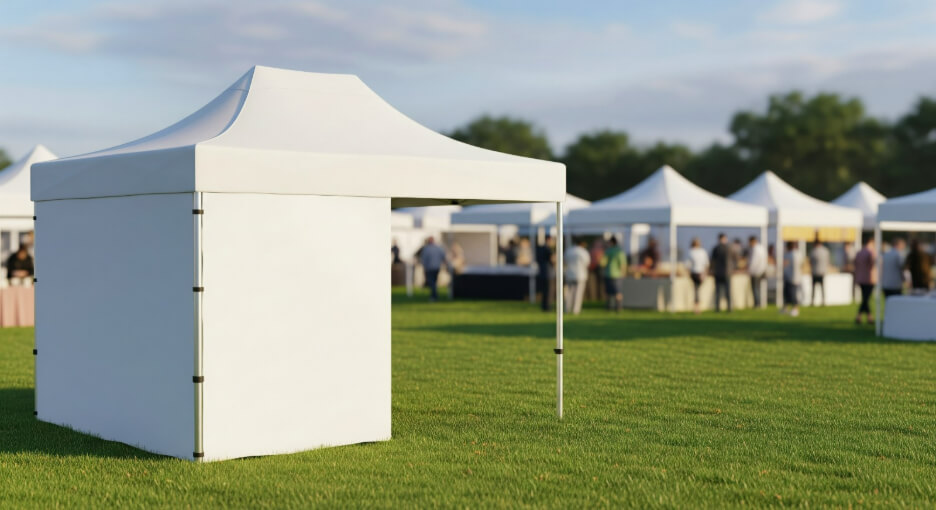
Speed and simplicity often guide smaller activations. Pop up canopies address both needs. They’re commonly used for registration points, product sampling, or lounge areas. Installation is quick and cost efficient. These options are best suited for short term use or low capacity spaces. Just be sure to buy a Jubilee canopy or an equivalent commercial grade model to ensure a quality product.
Each building has unique characteristics and benefits. So, selecting the right type depends on how polished and durable your event space needs to be.
Assessing Location and Site Conditions
The event location plays a major role in determining which structure is appropriate. Start by evaluating the available space and surface type. Grass, concrete, sand, or uneven terrain may require different anchoring methods and flooring solutions. Some structures need ground stakes, while others rely on ballast weights, especially in urban or paved environments.
Weather conditions are equally important. Wind exposure, temperature fluctuations, and the likelihood of rain should all be factored into your decision. Select structures that meet local safety and wind load requirements. Optional features such as sidewalls, rain gutters, or reinforced frames can add protection when needed.
Local regulations and permitting requirements should also be reviewed early in the process. Many municipalities require permits for temporary structure solutions. This is especially true for public or corporate gatherings. Confirming compliance in advance helps prevent delays and avoids unexpected costs.
Customization and Branding Opportunities
One of the biggest advantages of temporary structures is their adaptability. Customization allows you to align the space with your brand identity and event goals. Branded walls, color-matched fabrics, custom flooring, and signage can all turn a basic structure into a strong reflection of your corporate image.
Interior design is equally important. Strategic lighting can transform a simple tent into a professional venue. Furniture choice affects both comfort and flow. Think carefully about how attendees will move through the space and where key focal points, such as stages or product displays, should be positioned. Thoughtful planning enhances functionality while leaving a lasting visual impression.
Comfort and Functionality Considerations
Corporate events demand a level of comfort that reflects professionalism. Climate control is often essential, particularly for events held in extreme heat or cold. Heating, air conditioning, and proper ventilation can be integrated into many temporary buildings, but they require meticulous planning.
Acoustics and audiovisual compatibility should also be addressed. If presentations or speeches are involved, ensure the structure can support sound systems, screens, and lighting rigs. Clear-span designs are especially effective for these needs, as they allow unobstructed sightlines and equipment suspension.
Accessibility is another crucial factor. Structures should accommodate all attendees, including those with mobility challenges. Ramps, appropriate flooring, and clear pathways help create an inclusive and professional environment.
Timeline, Installation, and Logistics
Temporary buildings may be flexible, but they still require precise coordination. Installation and dismantling timelines should align with your event schedule and venue access. Larger or more complex structures may require several days for setup, especially if flooring, lighting, or climate systems are involved.
Work with experienced suppliers who can manage logistics efficiently, including transportation, installation crews, and on-site supervision. A reliable provider will also conduct safety inspections and ensure the structure is properly secured throughout the event.
Planning ahead reduces stress and minimizes the risk of last-minute issues. Early engagement with suppliers allows for better customization, clearer budgeting, and smoother execution.
Budgeting and Long-Term Value
Cost is always a key consideration, but the cheapest option isn’t always the best. When evaluating pricing, consider what’s included, such as installation, flooring, utilities, and support services. A higher upfront cost may deliver better durability, safety, and overall attendee experience.
For companies that host frequent outdoor events, semi-permanent or reusable modular structures may be worth exploring. These can provide long-term value and brand consistency across multiple events.
Key Takeaway
As a business owner or entrepreneur, the right temporary building can significantly impact the success of your corporate event. The choice goes beyond simply providing shelter. It shapes the guest experience, supports your brand image, and ensures that activities run smoothly.
Investing in quality materials, thoughtful customization, and proper installation adds both functionality and professionalism. By planning with these factors in mind, your outdoor event can leave a lasting impression and achieve its intended goals.
