


Choosing a smart tracker for the first time can feel like a big step toward better health and habits. These small devices do more than just count steps; they can help identify patterns, support fitness goals, and make daily routines easier to manage. The right smart tracker fits your needs, connects smoothly with your devices, and supports your goals without adding clutter to your day.
A well-chosen tracker can help someone stay active, monitor heart rate, and track sleep with accuracy. The design, comfort, and battery quality also shape how useful it feels over time. With so many options on the market, understanding what truly matters before buying one helps avoid wasted money and unused features.
Compatibility with your smartphone and apps
Compatibility determines how smoothly a smart tracker connects with a phone and the apps that control it. A device that pairs without trouble helps users track items faster and receive alerts on time. Bluetooth range, operating system support, and app setup can all affect how well the connection works.
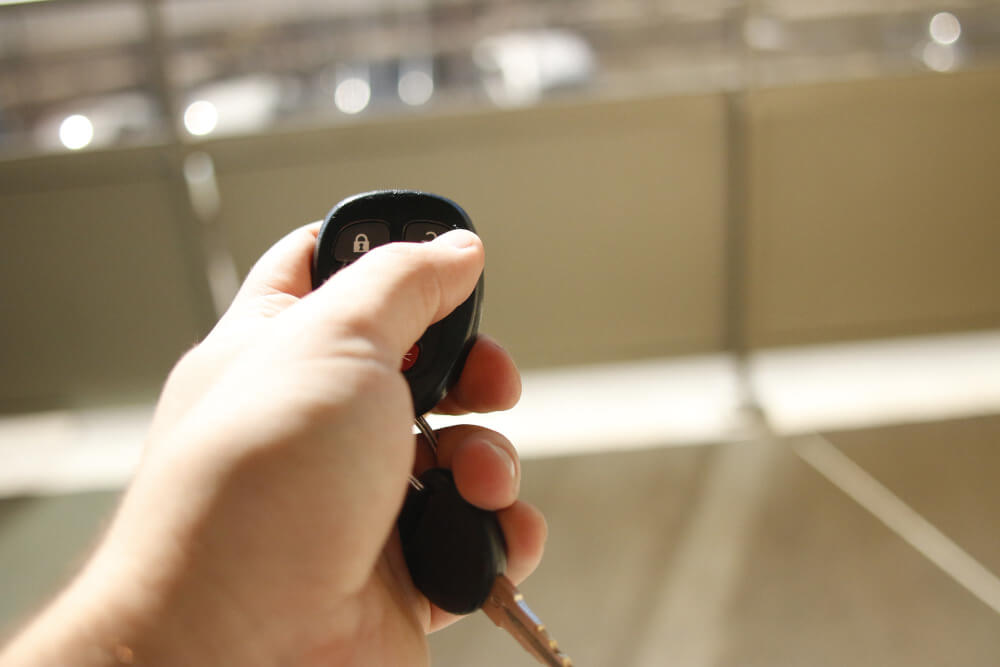
A smart key tracker must match the phone’s platform. For instance, some trackers link best with iOS, while others pair well with Android. Before buying, users should confirm that the tracking app supports their version of the operating system.
Smart key trackers that use popular networks like Apple Find My or common Bluetooth standards make setup easier. Checking for app updates and Bluetooth compatibility helps prevent dropped connections and sync errors. A well-matched tracker keeps data accurate and provides a more consistent user experience.
Accurate heart rate and activity tracking
Accurate heart rate and activity tracking help users understand how their body responds to exercise, rest, and daily movement. A tracker with precise sensors gives more useful data for setting goals and adjusting workouts. Minor inaccuracies can lead to misleading insights, so it is worth paying attention to how well a device measures these metrics.
Good trackers use optical sensors that detect pulse changes through light reflection. Some models compare well to chest strap monitors known for high precision. The device should also read heart rate consistently during both intense workouts and calm periods.
Activity tracking should measure steps, distance, and calories with minimal error. Built‑in GPS improves distance and pace tracking, especially for outdoor exercise. A tracker that syncs data quickly and displays it clearly helps users stay informed without constant effort.
Accuracy depends on consistent skin contact, a proper fit, and up‑to‑date software. Simple calibration or firmware updates often improve measurement results over time.
Long battery life for uninterrupted use
A smart tracker with a strong battery helps users stay connected without frequent recharging. A long-lasting battery means the device can record data and track movement over several days or weeks, depending on usage and settings. This makes it especially practical for travel or long outdoor activities.
Battery capacity, often measured in milliamp-hours or watt-hours, directly affects how long a device operates. A higher capacity usually provides longer use, though power-hungry features like GPS or constant updates can reduce battery duration. Therefore, buyers should check both the rated capacity and how efficiently the tracker manages power.
Some models include power-saving modes that reduce update frequency to increase run time. Others let users adjust location reporting intervals to balance accuracy with battery life. These small adjustments can significantly extend the time before the next charge.
Choosing a tracker with dependable endurance lets users focus on their goals instead of constant charging.
Water resistance for swimming and sweat
Smart trackers often face water, whether from a swim or an intense workout. A good device should resist splashes and moisture with ease. Some models go further and handle full submersion, which suits people who train in the pool.
Water resistance ratings help users compare options. Devices marked as safe up to 50 meters usually handle most swimming sessions. However, that depth rating does not mean they are safe for deep diving or hot showers, as pressure and temperature can affect their seals.
Sweat and rain also test a tracker’s build. A well-sealed design keeps sensors accurate and prevents long-term damage. Buyers should check the listed rating, such as IP68 or 5 ATM, to know what the tracker can handle.
Those who swim often benefit from higher protection. It allows them to track laps, heart rate, and other data without fear of moisture affecting performance.
Comfortable, adjustable design for daily wear
A smart tracker should feel as natural on the wrist as a watch. It must stay light enough for long use without causing pressure or leaving marks. Soft bands made of materials like silicone or fabric often provide a relaxed fit that suits different skin types.
Adjustability makes a big difference for comfort. Multiple strap holes or adjustable clasps help people find the right fit whether they prefer a snug or loose feel. A design that allows quick adjustments also helps during workouts or changes in daily activity.
Breathable materials add comfort by reducing sweat buildup. A smooth surface prevents irritation during all-day use. In addition, a compact shape that rests flat on the wrist keeps movement easy and avoids snagging on sleeves or bags.
Comfort and flexibility influence how often someone wears their device. A tracker that fits well feels less like a gadget and more like part of daily life, making regular use simple and natural.
Conclusion
A first smart tracker should fit the user’s routine, health goals, and budget. The right choice balances useful features with easy operation and comfort for daily wear.
Buyers should focus on battery life, accuracy of health data, and device compatibility. Features like heart rate monitoring and waterproof design can add value, but only if they match personal needs.
A simple checklist helps narrow options:
- Battery life – lasts several days between charges.
- Display clarity – readable indoors and outdoors.
- Comfort – lightweight and fits well for long use.
- Price – fair value without paying for extras that remain unused.
Smart trackers work best when they support daily habits rather than complicate them. Choosing one with clear benefits makes health tracking easier and more consistent.
