


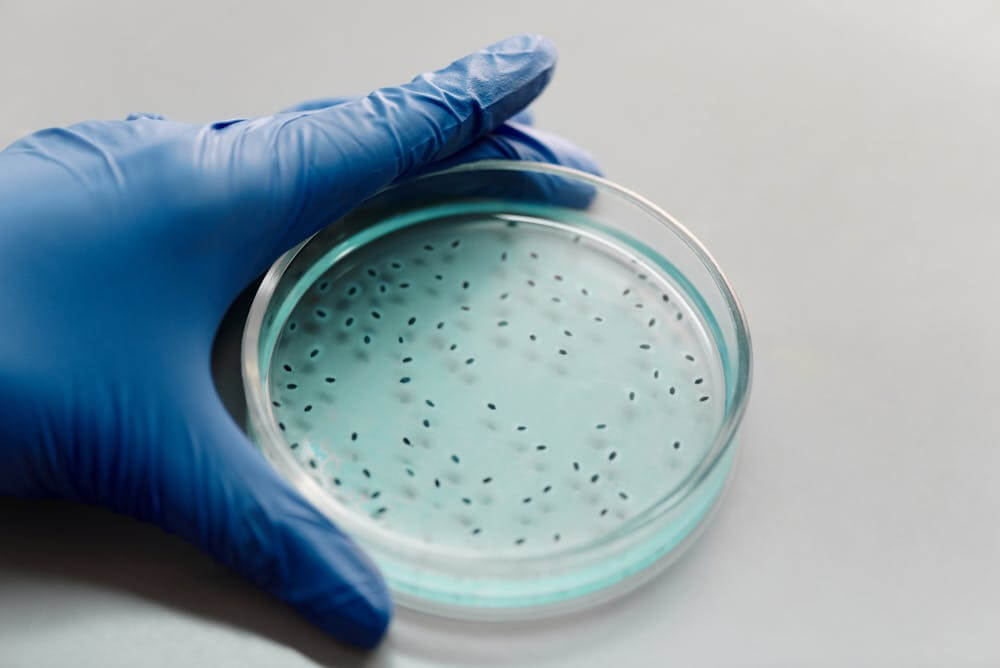
You might not notice it at first, but biology is turning into one of the biggest business stories of the decade. Behind the scenes, scientists and entrepreneurs are working together to build living systems that act more like smart machines than messy organisms. It’s happening in labs, startups, and big corporations alike.
The field driving this change is synthetic biology, and it’s starting to reshape how industries grow and compete. It’s not just about new science—it’s about rethinking how we design, make, and even imagine things. DNA is becoming a blueprint for business strategy, and it’s unlocking possibilities that sound like pure fiction.
Programming Life Like Code
At its core, synthetic biology lets people rewrite nature’s instructions. Instead of working with what already exists, scientists now build what they need. They design cells to make fuels, medicines, or fabrics with incredible precision. It’s like coding, but with genes instead of lines of text.
That’s what makes this field so appealing to businesses. You can create exactly what you need without wasting materials or waiting for natural processes to catch up. Companies can engineer microbes to make chemicals or proteins on demand. It’s efficient, flexible, and scalable—the dream formula for innovation-driven industries.
Healthcare Takes the First Leap
The medical field didn’t waste any time adopting these tools. The road to a new drug used to take years and millions in funding. Now, synthetic biology helps cut that down by using engineered cells to produce complex compounds quickly and reliably.
The real beauty lies in precision. These tools help design treatments that fit patients better. Instead of broad solutions, therapies can target the exact problem in the body. It’s a more personal and efficient way to heal. Pharma giants and fresh biotech startups are both racing to make use of it because the potential is massive.
Building a Greener Supply Chain
Synthetic biology is also rewriting the sustainability playbook. Manufacturing has always had a waste problem. From plastics to textiles, old methods drain resources and pollute the planet. Biology offers another way.
Imagine microbes that produce pigments instead of harsh dyes. Or engineered yeast that makes materials strong enough for clothing but soft enough for comfort. It’s not a distant dream. It’s already being tested and scaled. Some energy firms are even using engineered algae to make biofuels. Cleaner production. Fewer emissions. Better margins. That’s a hard combination to ignore.
The Food Revolution
Food tech might be where synthetic biology feels most personal. Everyone eats, and the way food is made is changing fast. Companies now grow proteins in labs that taste like meat but come from microorganisms, not animals. It’s not imitation food—it’s redesigned food.
Through precision fermentation, microbes can make everything from milk proteins to coffee flavor. The process uses less land, less water, and creates almost no waste. That’s huge for the planet. And since these products taste almost identical to traditional versions, consumers barely notice the switch. It’s a quiet, tasty revolution.
Business Meets Biology
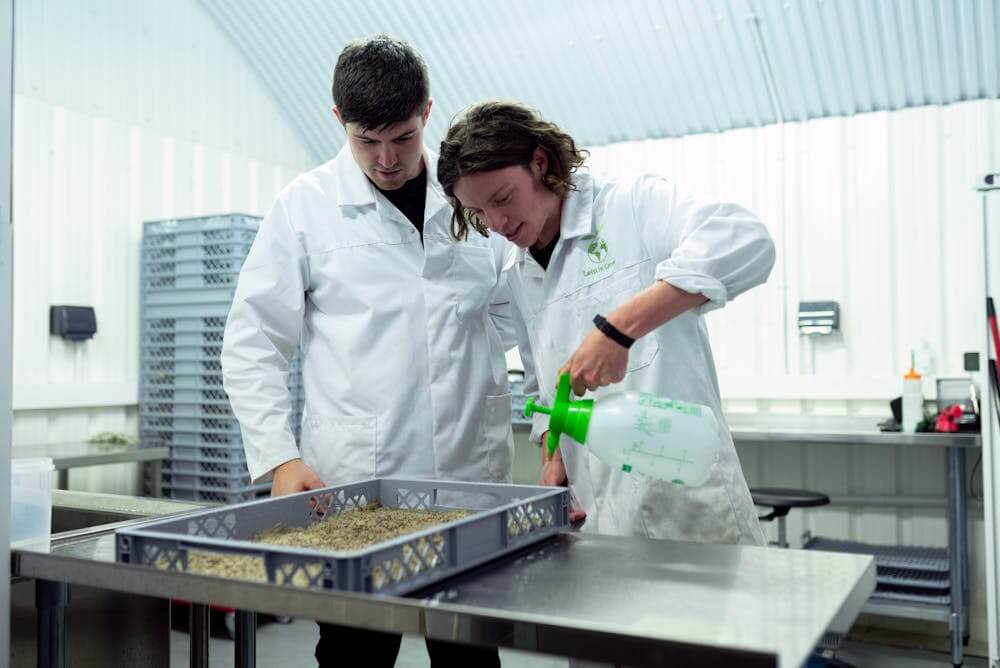
Synthetic biology isn’t just a scientific movement. It’s a business strategy. The smartest companies are building teams that combine biology expertise with data analytics, design, and marketing. The goal is to turn lab breakthroughs into products that can scale and sell.
Investors are paying attention too. The global synthetic biology market has exploded as venture capital pours in. The idea that living systems can be engineered to solve industrial problems feels like the next major leap—similar to what computing did for information. The early adopters are already seeing payoffs.
Facing the Growing Pains
Of course, every new field has its challenges. Public trust is one. People still get uneasy when they hear about engineered organisms. Companies will need to be open about safety and regulation if they want synthetic biology to gain wide acceptance.
Then there’s the issue of scaling. Making something work in a petri dish is one thing. Producing it at industrial levels without errors or contamination is another. Some firms will stumble here, but others will figure it out. The winners will be those who bridge the gap between brilliant science and reliable manufacturing.
Conclusion: Designing the Future, One Cell at a Time
Synthetic biology is changing how we think about innovation. It’s not about replacing nature—it’s about working with it in smarter ways. Companies that embrace this idea are finding new ways to grow, faster and cleaner than ever before.
We’re entering an era where DNA is a design tool and cells are the new factories. Businesses are learning to harness life itself as infrastructure. That’s not science fiction anymore—it’s just good strategy. The future of industry isn’t built from the ground up. It’s grown, one engineered cell at a time.
